
Discover Regional Specialties and Markets in Germany
Discover regional specialties and vibrant markets in Germany. Find out which dishes, products and traditions shape the character of each region.
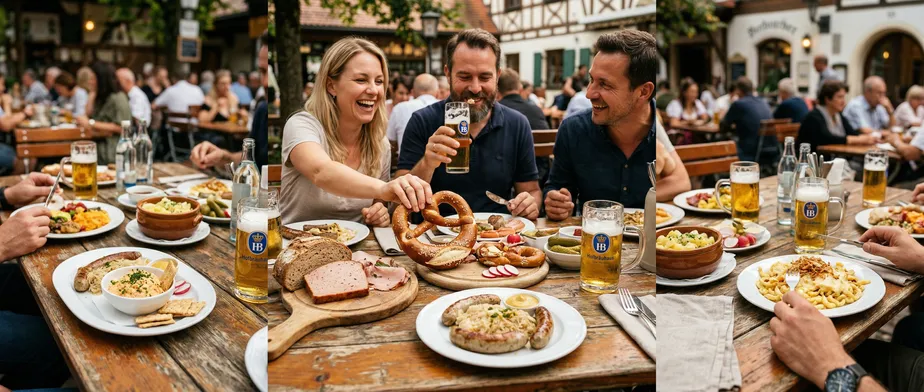
Germany’s cuisine is as diverse as its regions. Anyone travelling across the country quickly notices how strongly culinary traditions differ from north to south. This contrast is exactly what makes them so appealing. Instead of a single national cuisine, regional specialties shape the culinary landscape. They reflect landscapes, seasons and habits that have grown over generations.
This variety is especially visible where food is part of everyday life: at markets, in small shops, in inns and beer gardens. Here it becomes clear how closely enjoyment, origin and regional identity are connected.
Regional specialties with a character of their own
In Bavaria, hearty classics take centre stage. Weißwurst, pretzels and pork knuckle are known far beyond the region. There is also a lively beer garden culture that brings together enjoyment and sociability in a special way. Many of these specialties seem down-to-earth yet gain their distinctive character from their clear origin and firm roots in the region.
The Swabian Alb stands for a filling cuisine that is deeply anchored in tradition. Spätzle and Maultaschen are among the best-known dishes of the area. They are closely linked to the local food culture and show how important skilled preparation still is in many parts of Germany.
In the north, the proximity to the coast shapes the culinary offer. Fish dishes such as matjes are typical of northern German cuisine. There are also hearty classics like Labskaus and various stews that suit the harsher weather and the maritime character of the region.
Hesse also offers unmistakable specialties. Handkäs mit Musik is instantly recognisable. Frankfurt Green Sauce, on the other hand, reveals a fresh, herb-focused side of the region. Contrasts like these are part of what makes German cuisine so interesting.
Markets as the heart of regional food culture
Markets are often the best place to discover regional products and specialties. Producers, traders and visitors meet here in person. This creates a sense of closeness and trust. At the same time, it paints a vivid picture of what defines a region’s food culture.
Weekly markets often offer seasonal goods, fresh ingredients and typical products from the surrounding area. For travellers, they are a good opportunity to explore local eating habits beyond classic restaurant menus. A closer look soon shows that markets are not only places to shop, but also social meeting points and an important part of regional culture.
Why regional cuisine remains popular
The desire for origin, quality and authenticity plays a major role today. Regional specialties often stand for exactly this. They feel familiar, have a clear flavour and are frequently linked to long-standing traditions. This makes them appealing to locals and visitors alike.
Regional cuisine also provides orientation. In a time of overwhelming choice, many people look for transparent products and dishes with a background story. Germany’s culinary diversity offers an ideal foundation for this.
Rediscovering Germany through its food
Anyone who wants to experience Germany with all their senses should look beyond the well-known classics. It is especially in markets and regionally focused businesses that the true variety of the country’s cuisine becomes visible. Every region contributes its own flavours, traditions and specialties. This is where its particular strength lies.
More articles
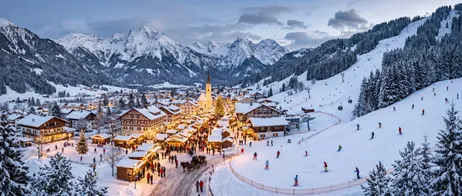
Experience Winter Activities in Germany
Germany delights in winter with ski resorts, Christmas markets and varied activities for families and winter sports enthusiasts.
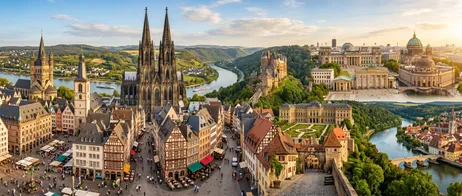
Historic Cities and UNESCO World Heritage in Germany
Germany captivates visitors with UNESCO World Heritage, historic old towns and impressive sights rich in culture and history.
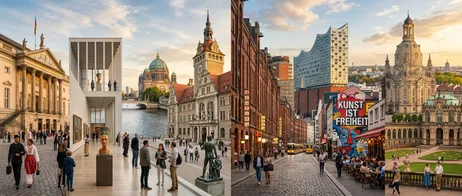
Art and Culture in Germany: Experience the Museums
Germany fascinates with art, museums, architecture and cultural highlights in cities like Berlin, Munich and Dresden.
Experience Germany’s Castles and Palaces Through History
Germany captivates visitors with castles, palaces, half-timbered towns and impressive architecture rich in history and culture.
Active Holidays in Germany: Hiking and Outdoor Adventures
Holiday homes are a practical choice for a family holiday in Germany. They offer more space, flexible routines and a relaxed everyday feel.
Holiday Homes in Germany’s Natural Paradises
Discover holiday homes in Germany’s most beautiful natural regions. Learn why a stay close to national parks is especially relaxing, flexible and close to nature.
