
Historic Cities and UNESCO World Heritage in Germany
Germany captivates visitors with UNESCO World Heritage, historic old towns and impressive sights rich in culture and history.
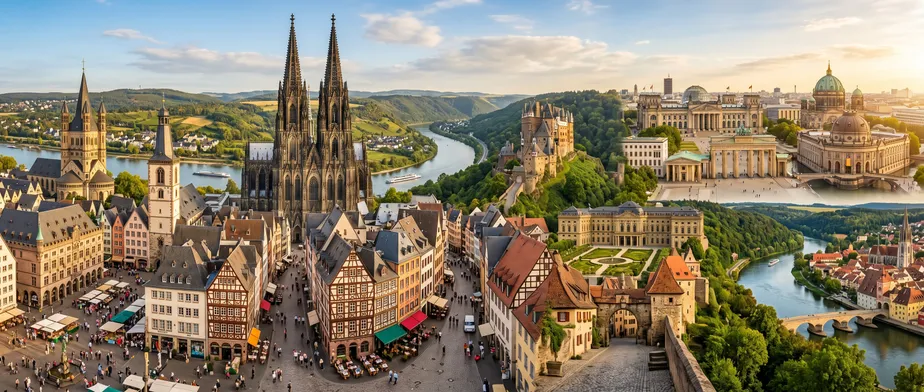
Germany brings together very different historic worlds in a small area. Medieval old towns, grand cathedrals, baroque residences and ancient monasteries are often only a few steps apart. When you walk along cobbled lanes, pause on a market square or stroll by a riverside promenade, you encounter history not only in museums but in the middle of everyday city life.
This is what makes historic cities and UNESCO World Heritage sites in Germany so appealing. Architecture, cityscape and atmosphere are closely intertwined. In some places, half-timbered houses, town halls and narrow alleys shape the view. In others, it is monumental churches, city gates or expansive palace complexes. Added to this are locations where trade, politics and daily life have come together for centuries.
Why Germany’s historic cities are so captivating
Many German cities have preserved their historic character over long periods of time. This is visible in well-kept centres, clearly recognisable layouts and buildings from different eras. Romanesque, Gothic, Renaissance and Baroque architecture often stand side by side. A simple walk through town can quickly turn into a journey through European cultural history.
Diversity also plays a major role. Some places, with narrow streets and timber-framed facades, feel almost like a step back in time. Others impress with spacious squares, elegant palaces or powerful cathedral buildings. Famous landmarks such as Cologne Cathedral or the Brandenburg Gate are examples of this cultural density and historic depth.
UNESCO World Heritage as a sign of special significance
UNESCO World Heritage sites represent cultural assets whose importance reaches far beyond national borders. In Germany, this includes not only individual buildings but also historic town centres, monastery complexes, palaces and entire ensembles that have been preserved across generations.
For travellers, the designation is often a reliable sign of places with a distinct character. It draws attention to architecture, history and urban development. At the same time, it shows how closely monument preservation, identity and tourism are linked. Those who visit such places usually see more than attractive facades and often discover the stories behind them.
Between market square, palace and riverside promenade
The special charm of cultural city breaks often lies in the interplay of many impressions. A lively market square, a historic town hall, a palace above the old town or a quietly situated monastery leave lasting memories. When warm light falls on sandstone facades, church bells ring through the alleys and the view opens up over centuries-old rooftops, an atmosphere emerges that defines a place.
Another plus is that many historic cities are easy to explore on foot. This allows for intense travel experiences without a packed schedule. Anyone who takes their time will notice more: ornate portals, old fountains, secluded courtyards and small side streets away from the usual routes.
Tips for a rewarding cultural trip
- Set out early in the day or in the late afternoon, when the light is especially atmospheric.
- Do not focus only on the main sights. Explore side streets and smaller squares as well.
- Look out for guided tours or themed routes to better understand the historical context.
- Plan deliberate breaks so that the atmosphere and the place can unfold their full effect.
Rediscovering Germany through culture
Historic cities and UNESCO World Heritage in Germany bring together history, architectural variety and a vibrant present. This is exactly what makes them so attractive for cultural journeys. They invite you to look more closely, recognise connections and see familiar places with fresh eyes.
Anyone who wants to experience culture rather than just observe it will find suitable destinations here. Between cathedrals, timber framing, castles and baroque facades, Germany reveals a side that feels timeless yet remains full of life.
More articles
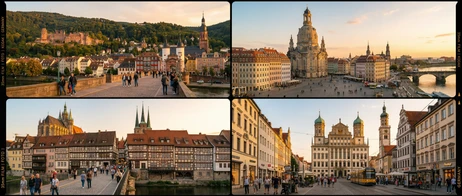
Historic Cities and Sights in Germany
Discover historic cities in Germany: Augsburg, Erfurt and Heidelberg stand for impressive old towns, famous landmarks and living history.
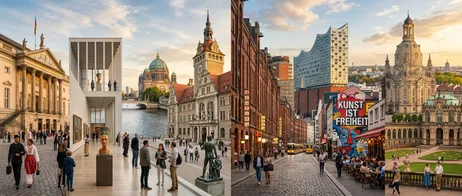
Art and Culture in Germany: Experience the Museums
Germany fascinates with art, museums, architecture and cultural highlights in cities like Berlin, Munich and Dresden.
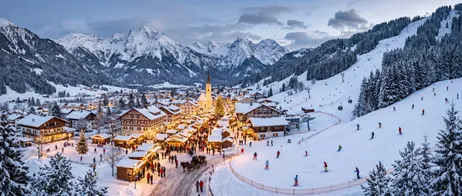
Experience Winter Activities in Germany
Germany delights in winter with ski resorts, Christmas markets and varied activities for families and winter sports enthusiasts.
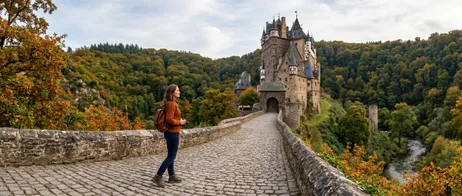
Experience Germany’s Castles and Palaces Through History
Germany captivates visitors with castles, palaces, half-timbered towns and impressive architecture rich in history and culture.
Active Holidays in Germany: Hiking and Outdoor Adventures
Holiday homes are a practical choice for a family holiday in Germany. They offer more space, flexible routines and a relaxed everyday feel.
Holiday Homes in Germany’s Natural Paradises
Discover holiday homes in Germany’s most beautiful natural regions. Learn why a stay close to national parks is especially relaxing, flexible and close to nature.
