Germany’s Largest Cities at a Glance
A compact overview of Germany’s largest cities. Discover what shapes the ten most populous metropolitan areas and what makes each of them distinctive.
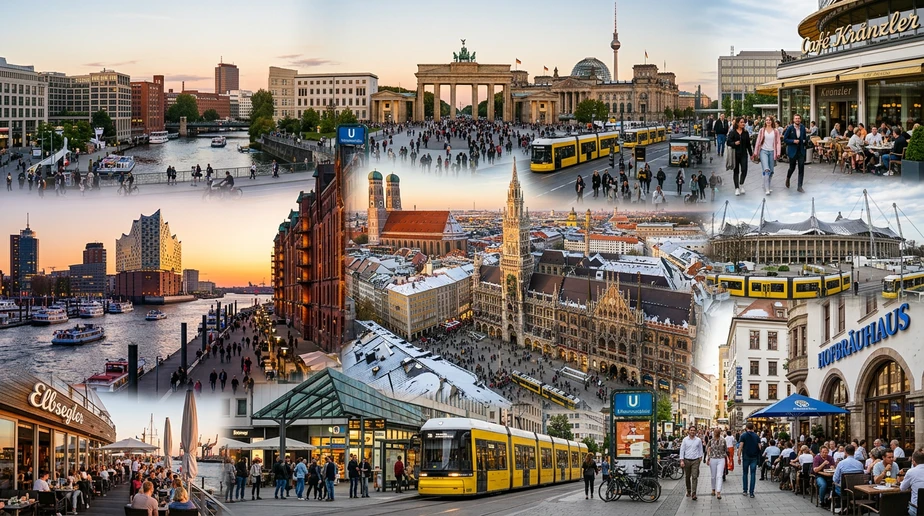
Germany’s largest cities stand for diversity, dynamism and strong contrasts. Historic old towns, modern architecture, green retreats and vibrant cultural scenes show how varied urban life in Germany can be. A look at the country’s most populous cities reveals not just size categories, but distinct living environments with their own character.
The order follows population size. Yet numbers alone do not explain why these cities are so influential. They are key centres for business, education, culture and everyday life. That is what makes them especially interesting for travellers, newcomers and anyone who wants to understand Germany more deeply.
The ten largest cities in brief
Berlin tops the list and brings together history, politics, creativity and international big-city life. The capital often feels raw, open and in constant transition. This mix is a major part of its appeal.
Hamburg blends urban life with maritime flair. Water, port and trade shape the cityscape. A reserved Hanseatic attitude meets a lively cultural scene.
Munich is seen as economically strong, well kept and tradition-conscious. At the same time, it is modern, international and for many a symbol of high quality of life.
Cologne is known for openness, zest for life and a close link to history and culture. The city feels approachable and lively while remaining an important business location.
Frankfurt am Main stands for internationality and momentum. High-rise buildings dominate the skyline, while nearby districts have a very different feel. The financial sector and everyday life meet here in a compact space.
Stuttgart is closely associated with industry, innovation and economic strength. At the same time, it offers cultural diversity and a surrounding landscape that gives the urban area a distinctive character.
Dusseldorf presents itself as style-conscious, economically strong and culturally diverse. Fashion, media and art shape the city just as much as its location on the Rhine.
Leipzig has attracted a great deal of attention in recent years. The city combines cultural heritage, creative energy and a clear sense of new beginnings.
Dortmund is a prime example of change in many major Ruhr area cities. Industrial history, football, culture and new developments are closely intertwined here.
Essen completes the list of Germany’s ten largest cities. Structural change is especially visible here as well. The former industrial centre has become a diverse major city with a clear cultural profile.
What makes Germany’s major cities unique
Germany’s largest cities differ significantly in atmosphere, architecture and way of life. Some feel international and fast-paced, others more down-to-earth and approachable. This variety is their strength. They show that there is no single urban blueprint for Germany, but a broad spectrum of urban identities.
- great cultural diversity
- very different historical influences
- important centres for business and education
- a distinct style in everyday life, language and pace
A good starting point for getting to know Germany
Anyone who wants to understand Germany better will find an ideal starting point in the country’s largest cities. Developments, trends and traditions are particularly visible here. Each of these metropolitan areas tells its own story. Together they create a multi-layered picture of Germany.
These urban centres are also useful for travel planning. They provide orientation and can inspire you to see familiar places in a new light or to explore cities that have long been underestimated.
More articles
Experience Winter Activities in Germany
Germany delights in winter with ski resorts, Christmas markets and varied activities for families and winter sports enthusiasts.
Historic Cities and UNESCO World Heritage in Germany
Germany captivates visitors with UNESCO World Heritage, historic old towns and impressive sights rich in culture and history.
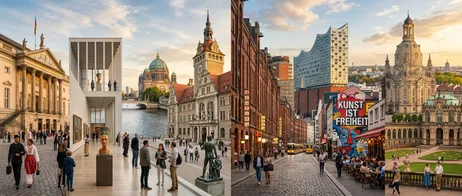
Art and Culture in Germany: Experience the Museums
Germany fascinates with art, museums, architecture and cultural highlights in cities like Berlin, Munich and Dresden.
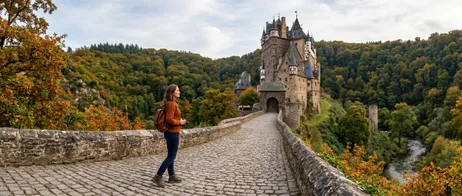
Experience Germany’s Castles and Palaces Through History
Germany captivates visitors with castles, palaces, half-timbered towns and impressive architecture rich in history and culture.
Active Holidays in Germany: Hiking and Outdoor Adventures
Holiday homes are a practical choice for a family holiday in Germany. They offer more space, flexible routines and a relaxed everyday feel.
Holiday Homes in Germany’s Natural Paradises
Discover holiday homes in Germany’s most beautiful natural regions. Learn why a stay close to national parks is especially relaxing, flexible and close to nature.
